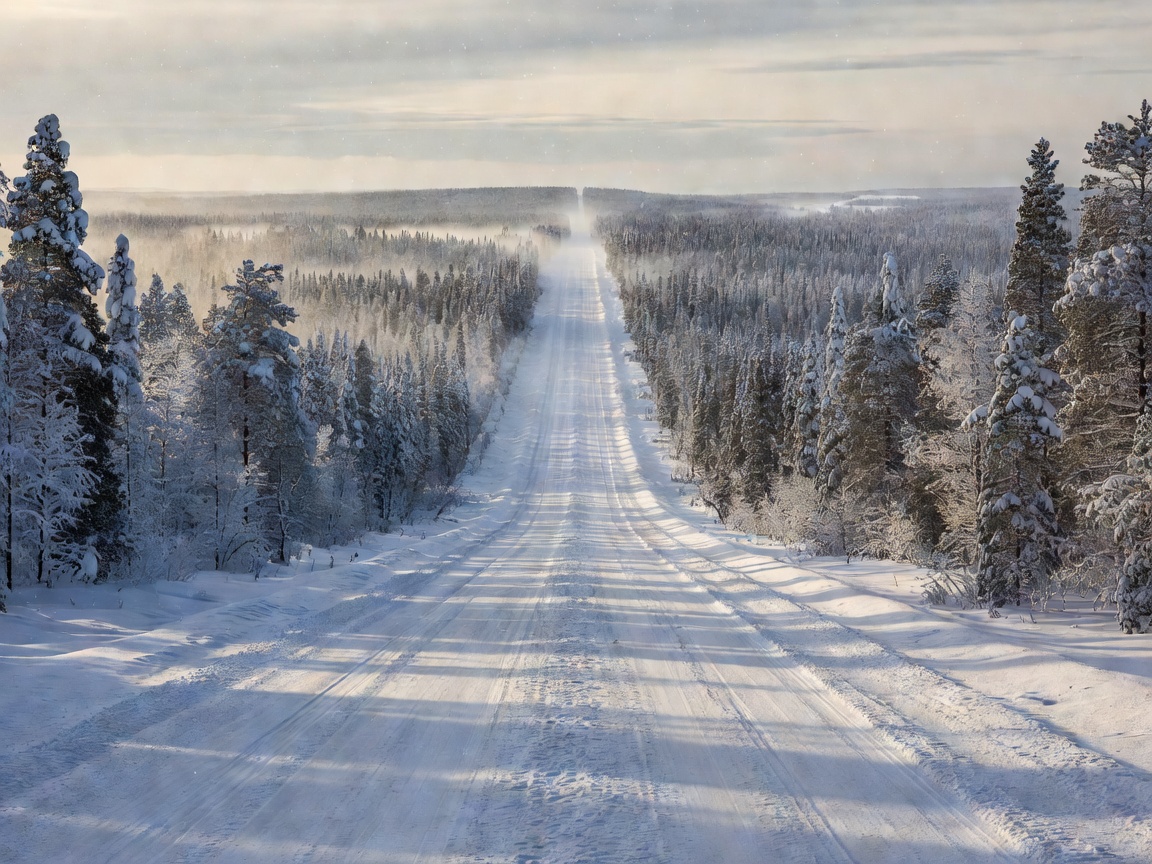
Lapland Planning: Layering, Winter Roads & Day Schedules
Visiting the Arctic in deep winter requires practical preparation, not bravado. Temperatures can comfortably rest at −8°C on Tuesday afternoon and dive to −32°C by Thursday dawn as a high-pressure Siberian cold front pushes westward.
When you understand how thermal clothing actually works, how Nordic rental cars are wired for engine pre-heating, and how daylight shifts dramatically between December and March, you turn what could be a stressful ordeal into an exceptionally smooth expedition.
The Three-Layer System Done Right
Forget thick single jackets that weigh ten kilos. Real Arctic warmth comes from trapping dead air between multiple thin, breathable layers. Cotton has zero place in your winter kit; cotton fibers hold perspiration against your skin, losing 100% of their insulating value the moment they become damp.
- Base Layer (Moisture Management): 200g/m² or 260g/m² merino wool thermal long-johns and long-sleeve tops. Merino wicks sweat away from the skin, remains warm even when damp, and resists odor for multi-day use.
- Mid Layer (Insulating Air): Heavy fleece, boiled wool sweaters, or a lightweight packable down sweater. This layer creates air pockets warmed by your core metabolism. You can add or shed this layer in seconds.
- Outer Layer (Wind and Snow Shell): A windproof, breathable parka and snow bib pants with sealed seams. Wind chill is the true factor that turns −15°C into a biting −28°C experience. Ensure the hood has a structured brim to shield your face from blowing spindrift.
The Critical Boot Mistake
The single most common mistake travelers make is buying boots in their standard shoe size, stuffing two pairs of thick socks inside, and tying the laces tight. This constricts circulation to your toes and eliminates dead air space. Cold rubber will transfer directly to your feet. Always buy winter boots one or two sizes larger than normal, leaving generous room for thick felt insoles and loose wool socks.
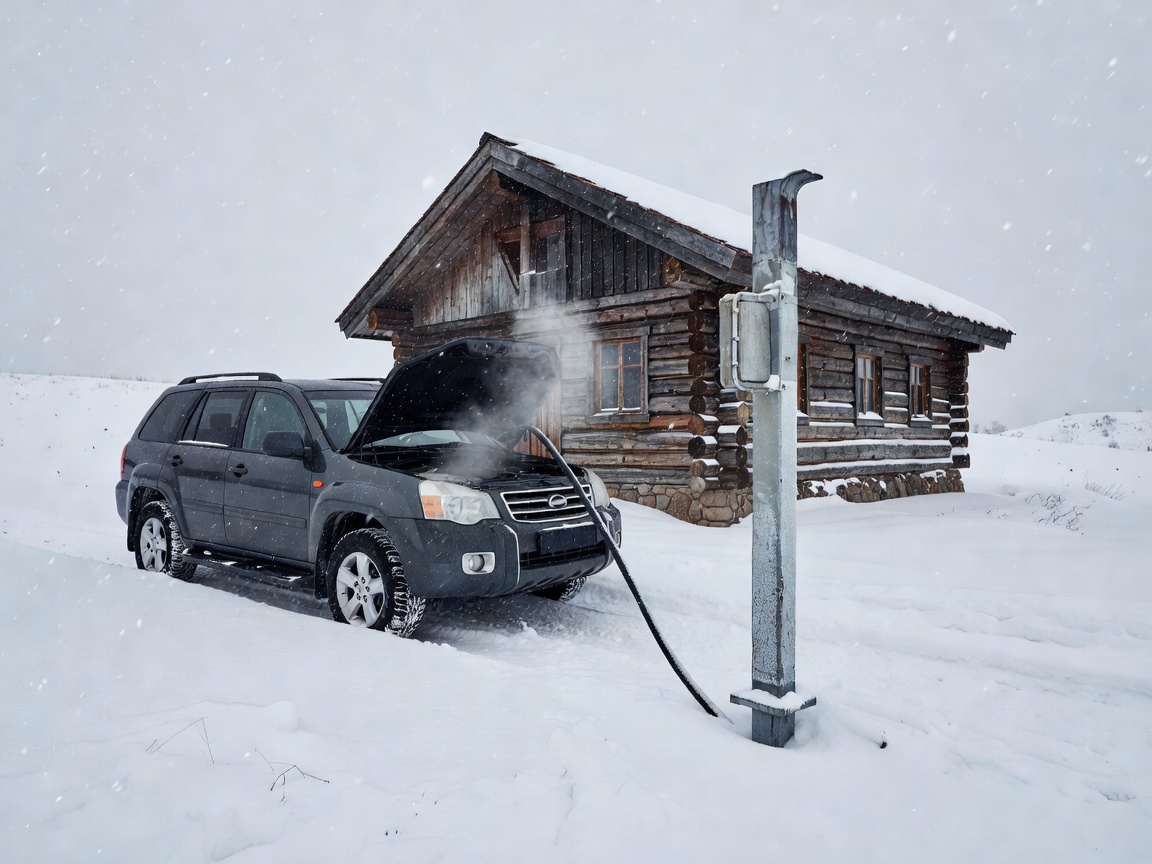
Winter Driving on Studded Tires
In Finland, Sweden, and northern Norway, rental vehicles come equipped with studded winter tires (nastarenkaat) throughout the winter season. These embed hundreds of tiny tungsten carbide pins into the rubber tread, providing astonishing grip on packed snow and glare ice.
Cabins and hotel car parks feature electrical poles with timer sockets. When ambient temperatures drop below −15°C, plug your car's engine block heater (lohkolämmitin) in for two hours before starting the ignition. Starting a frozen engine in −25°C without pre-heating causes severe mechanical wear and can drain your starter battery in seconds.
Daylight Variations: December vs. February vs. March
The time of winter you choose profoundly shapes your daily itinerary:
December – January (Kaamos)
Daylight: 0 to 3 hours of twilight around midday. The sun does not rise above the fell tops.
Vibe: Deep winter magic, ethereal pastel colors, longest windows for aurora spotting, very quiet trails.
February – March (Spring Winter)
Daylight: 7 to 12 hours of crisp, brilliant sunshine reflecting off deep snowpack.
Vibe: Peak ski touring conditions, warm sun on your face at outdoor fire pits, crystal-clear skies for night aurora.
Building a Sensible Itinerary Buffer
Flight transfers through Helsinki, Stockholm, or Oslo to regional northern airports (such as Rovaniemi, Kittilä, Ivalo, or Kiruna) are remarkably reliable. Nordic airport snowplow teams are world-renowned for keeping runways open during blizzards that would shutter major continental hubs.
Nevertheless, road transit between villages can slow to a crawl during heavy snowfall. Always build a two-hour buffer into your departure schedule when returning your rental car before a flight.
Pre-Trip Packing & Safety Checklist
- Two sets of merino thermals: Allows one set to dry thoroughly in the cabin drying cabinet while you wear the second set outdoors.
- Balaclava and neck gaiter: Never use long trailing knitted scarves that leave gaps for cold winds to reach your neck.
- Fingerless glove liners inside insulated mittens: Mittens keep fingers together for warmth; glove liners protect bare skin when you momentarily pull your hand out to operate a phone or camera.
- Download offline regional maps: Cellular coverage is surprisingly good across Lapland, but battery drains in deep cold can shut your phone down when you need navigation most. Keep cached maps and a pocket compass handy.
Responsible Tourism in the Far North
Lapland is not a theme park; it is the ancestral homeland of the indigenous Sámi people and a delicate Arctic biome. Support family-owned regional outfitters, respect private properties bordering cross-country ski trails, and remember that peaceful silence is what brought you north in the first place.