Lapland Winter Activities: Realities on the Snow
The moment you step away from the heated vestibule of a village cafe, sub-zero movement takes on a rhythm of its own. It is easy to assume winter sports in the Arctic are merely downhill skiing with colder air, but that misses the entire heart of Lapland.
Lapland's landscape is made of rolling fells (tunturit), ancient peat bogs frozen solid, and endless boreal spruce forests. Moving here is quiet, aerobic, and deeply meditative — provided you choose the activity that suits your energy and know how to pace yourself.
Cross-Country Skiing: The True Arctic Highway
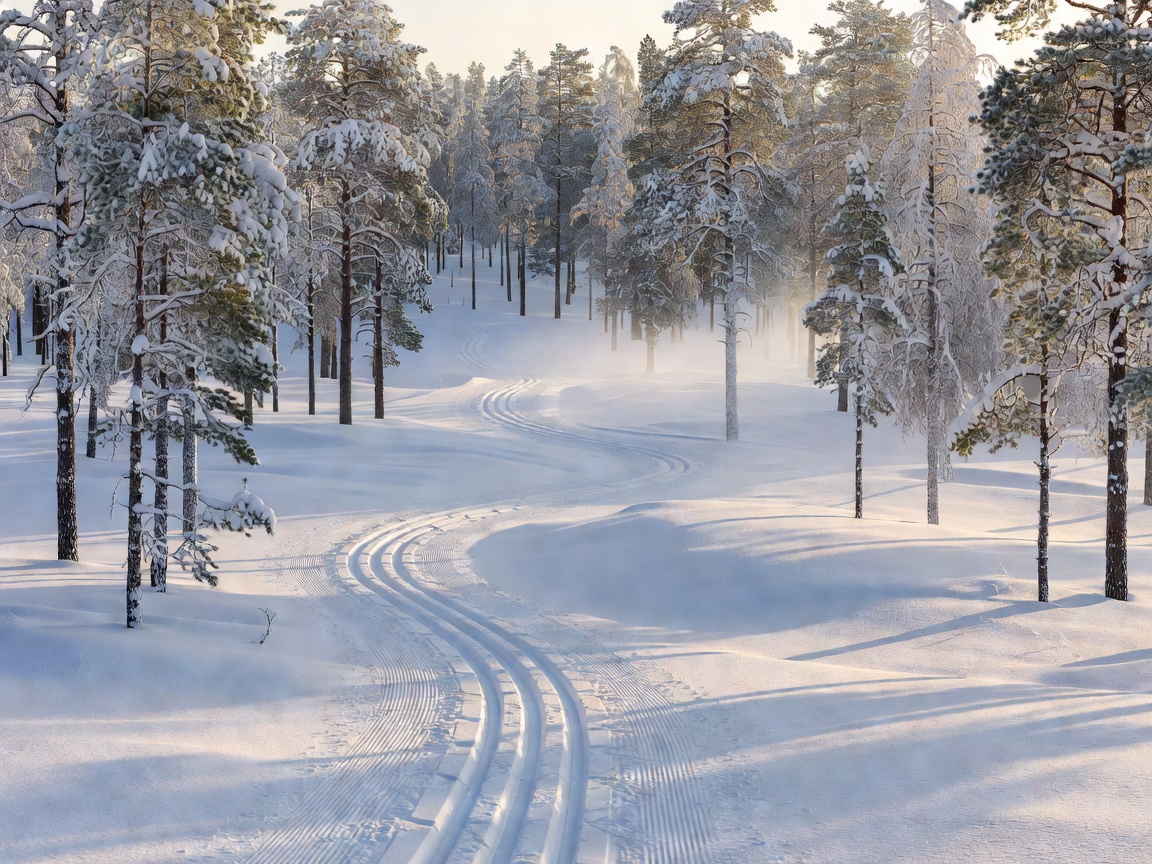
In northern Scandinavia and Finland, cross-country skiing (murtomaahiihto) is less an athletic pastime and more a fundamental mode of existence. Thousands of kilometers of machine-groomed trails connect fell villages, warming huts (kotas), and roadside cafes.
Classic style — where skis run parallel within pre-cut tracks — is far more forgiving for newcomers than skating style. If you can walk with an energetic stride, you can manage classic skiing within twenty minutes. The key is renting waxless skin skis (which use a mohair insert beneath the foot for grip) rather than wrestling with cold-weather glide waxes that turn to concrete if misjudged.
Fell Track Etiquette
Never walk in boot feet or snowshoes over groomed classic tracks. Footsteps punch deep craters into the track that refreeze into hazardous ice ruts, dangerous for fast descents. If walking on a multi-use winter path, keep to the marked walking lane.
Snowshoeing & Skin-Based Backcountry Trekking
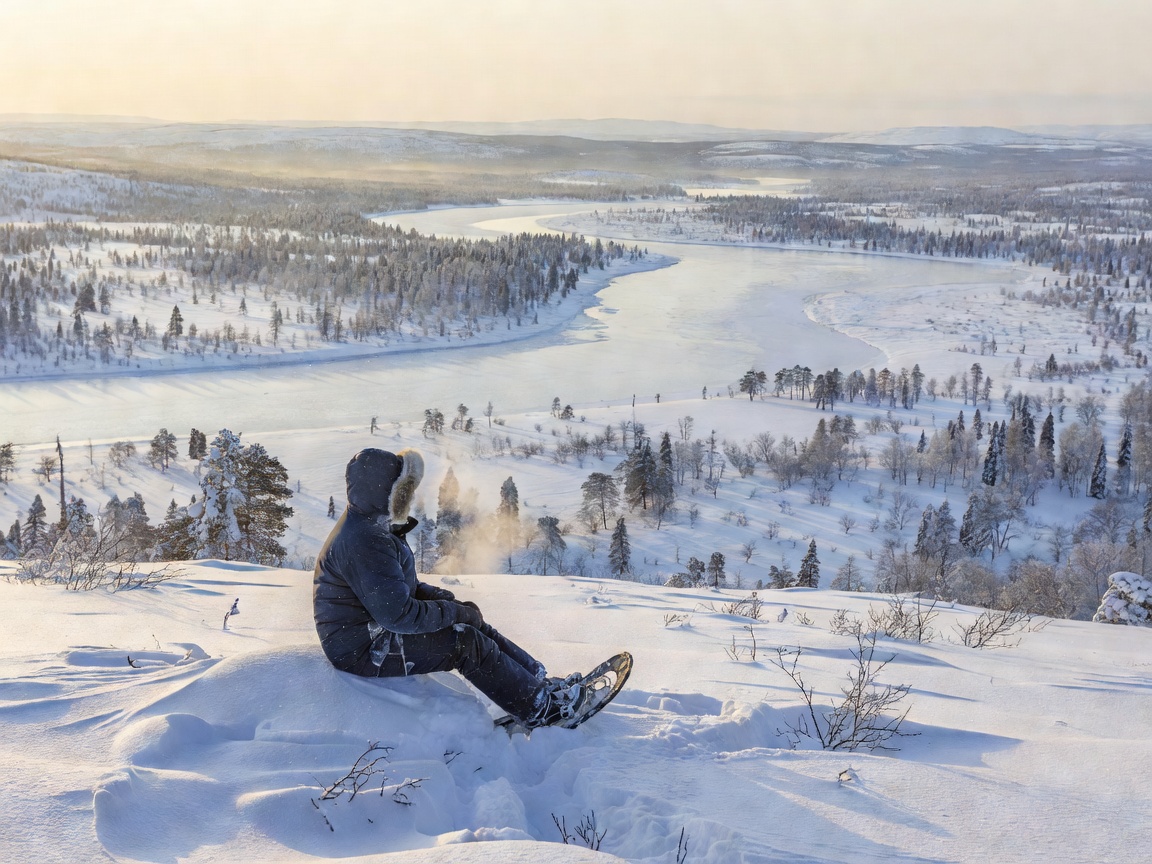
If you want to step off established trails and into waist-deep powder, snowshoes distribute your body weight across a wider surface area. Modern composite snowshoes with integrated heel lifts make ascending rounded fells surprisingly painless.
However, snowshoeing burns roughly 40% more energy than normal hiking. In deep, unconsolidated sugar snow, you will still sink 20 to 30 centimeters with every pace. Another fantastic alternative gaining widespread traction is the sliding snowshoe (often called OAC skinbased skis) — short, broad hybrid skis with permanent climbing skins that glide downhill yet climb uphill without switching bindings.
Choosing Your Pace: Pros and Cons
Cross-Country Touring
Pros: Effortless gliding on flat stretches; immense network of heated wilderness shelters; covers serious ground.
Cons: Steep descents can be intimidating on skinny skis without metal edges; requires basic balance.
Deep-Snow Snowshoeing
Pros: Zero technical learning curve; allows access to dense virgin forests where tracks cannot go.
Cons: Slow speed (rarely over 2.5 km/h in deep powder); demanding cardio workout that requires frequent layer adjustments.
Motorized Excursions vs. Animal-Powered Sledding
Snowmobiles (moottorikelkka) are a vital tool for Arctic reindeer herders, forestry workers, and emergency responders. Guided excursions offer access to distant summits that would otherwise require multi-day ski expeditions. However, snowmobiles are loud, emit fumes in cold still air, and demand immense upper-body focus to steer through banked drifts.
Dog-sledding (husky teams) provides a completely different sensory experience. Once the team is in motion, the frantic barking stops abruptly and the only sound is the rhythmic hiss of runners across the snow and the panting breath of six or eight eager dogs. Look for operations that keep smaller pack sizes, allow visitors to assist in unharnessing and bedding the dogs down, and place clear priority on canine rest days over high-volume hourly turnarounds.
Frozen Lake Safety & Ice Fishing
Ice fishing (pilkki) is an exercise in profound quietude. You drill a 15-centimeter hole through half a meter of solid ice with a hand auger, sit on an insulated reindeer hide or foldable stool, and lower a tiny jigging spoon for perch or Arctic char.
Ice Safety Checklist
- Know the ice thickness: Clear blue or black ice should be at least 10 cm thick for a solitary walker, and 20 cm+ for snowmobiles. Murky white snow ice has only half the load-bearing capacity.
- Beware of flowing water: Inlets, outlets, narrows between islands, and spots near bridges remain dangerously thin even in −30°C due to underwater currents.
- Wear ice picks (naskalit): Wear two spiked handles around your neck outside your outer jacket. If you break through, you need these to pull yourself onto slick wet ice.
- Always bring a dry bag: Pack a full change of clothing inside a roll-top waterproof bag in your backpack. It acts as a buoyant float and a lifesaver.
Summary Guidance
Do not overload your calendar. Booking two intense activities every single day will leave you exhausted, sore, and continually rushing between thermal suit fittings. One outdoor movement session per day — followed by a warm lunch, an afternoon reading beside a log hearth, and a late-night stroll beneath the dark sky — creates an infinitely richer Arctic memory.