Lapland Cabin Life: Practical Comfort in the Deep Cold
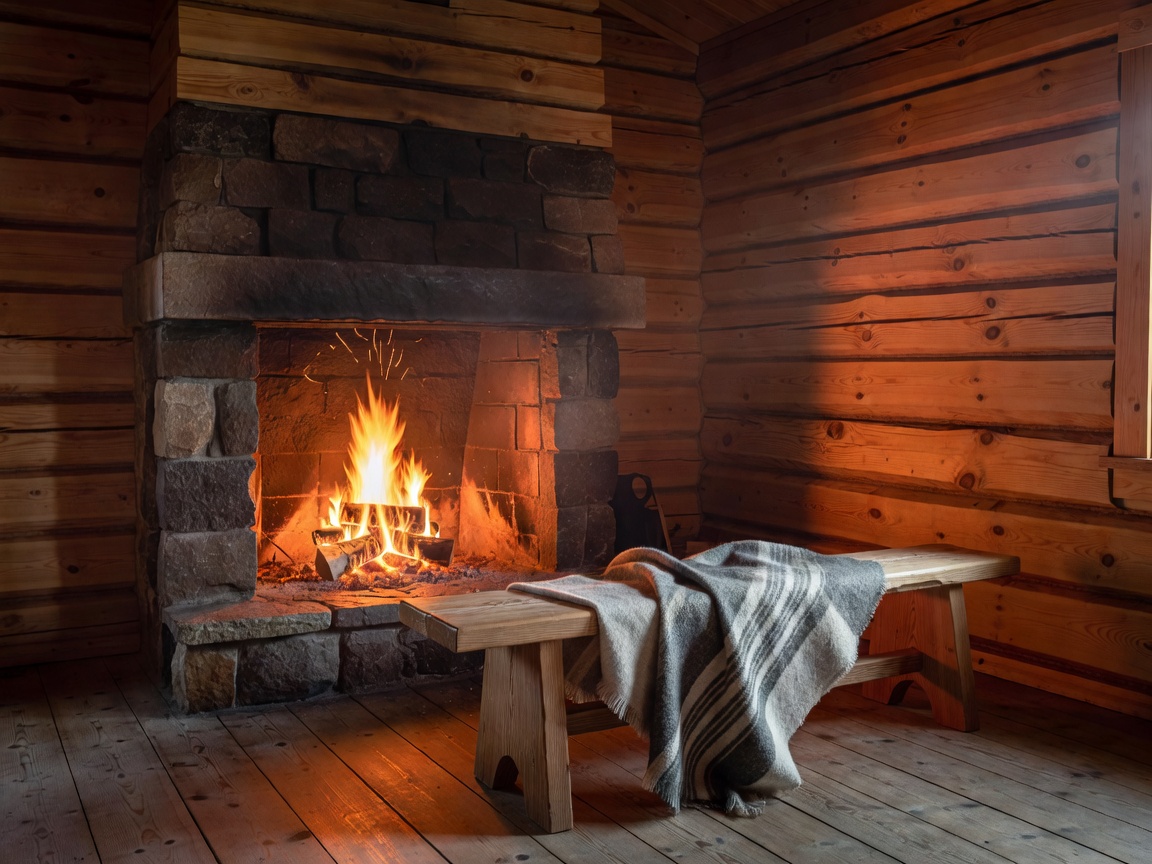
There is a distinct ritual to returning to a warm wooden cabin after four hours out in sub-zero air. You hang your heavy snow pants in the drying cabinet, kick off stiff boots, spark dry birch shavings in the soapstone stove, and turn on the sauna heating cycle.
A cabin stay represents the quintessence of an Arctic holiday. Yet cabin layouts, heating systems, and locations vary enormously across Finnish and Scandinavian Lapland. Knowing what features truly matter will make the difference between an effortless retreat and an exhausting chore.
Kelo Wood vs. Modern Glulam Construction
If you look through cabin rental catalogs, you will frequently notice the term kelohonka or kelo wood. Kelo refers to dead Scots pine trees that dried standing up over several hundred years in the dry Arctic air. Their outer bark sheds naturally, leaving behind an unmistakable silvery-grey patina and an intensely dense core that naturally insulates against extreme cold without synthetic sealants.
Traditional round-log kelo cabins look romantic, boast wonderful acoustic dampening, and maintain a pleasant natural pine scent. Modern laminated timber cabins (glulam), on the other hand, offer sharper architectural lines, larger panoramic triple-pane glass fronts for sky-watching, and more airtight energy efficiency. Both are great; just know that true kelo properties tend to carry a distinct premium due to the scarcity of naturally standing deadwood.
Electric Stoves vs. Wood-Burning Saunas
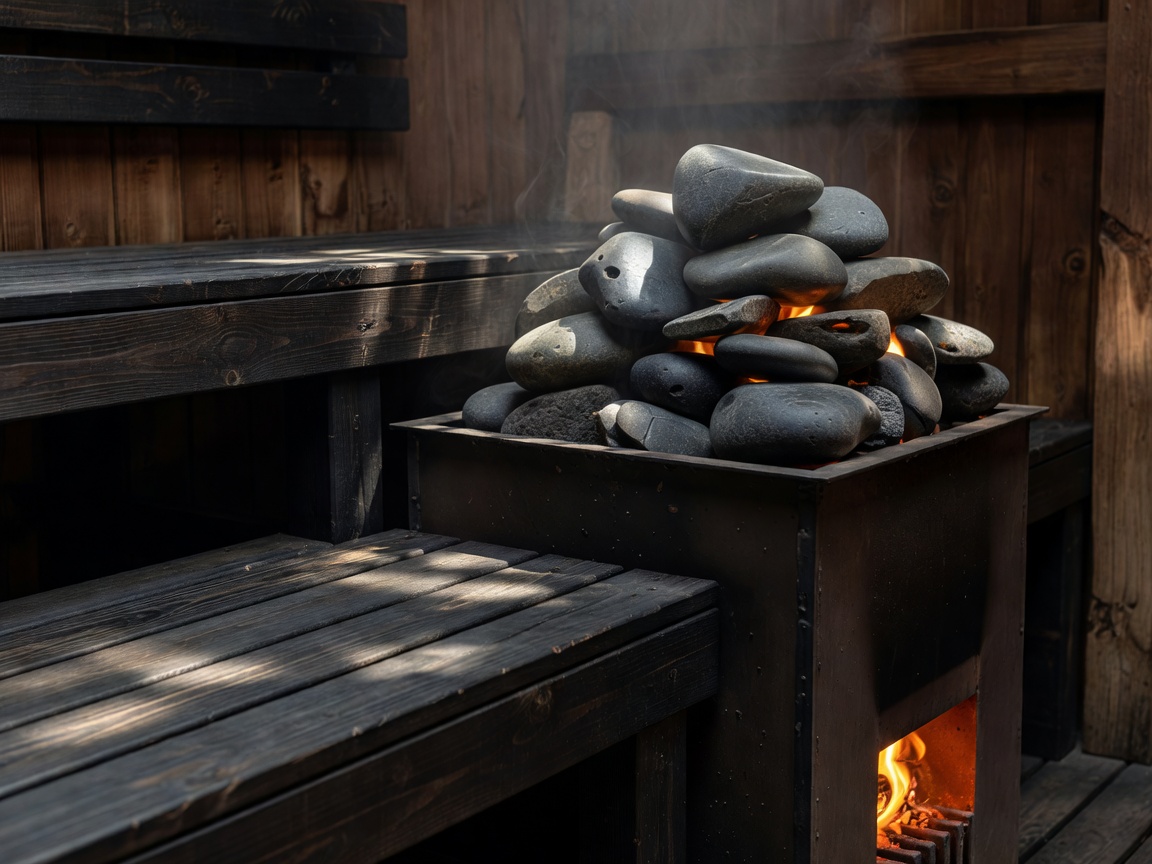
Wood-Fired Saunas (Puukiuas)
Advantages: Softer, more humid steam (löyly); soothing crackle of birch firewood; natural ventilation as the draft feeds the flame.
Trade-offs: Requires 45 to 60 minutes of tending the hearth; requires carrying firewood indoors; needs manual ash disposal.
Electric Saunas (Sähkökiuas)
Advantages: Turn a knob or set a timer, and it is 80°C by the time you finish your afternoon ski; zero smoke or firewood handling.
Trade-offs: Can produce slightly drier heat if the stone reservoir is small; lacks the primal aroma of woodsmoke.
Essential Cabin Features You Shouldn't Skip
When comparing potential cabins, do not get blinded purely by whether there is a glass ceiling above the bed. Focus on these practical workhorses:
- The Drying Cabinet (Kuivauskaappi): This looks like a tall locker with internal heating coils and air circulation. It is non-negotiable. Putting wet ski gloves, socks, and snow jackets in here guarantees bone-dry gear within two hours. Without one, wet wool takes thirty hours to dry in winter.
- Thermal Soapstone Fireplace (Varaava takka): A standard open hearth sends 80% of heat straight up the chimney. A Finnish soapstone (vuolukivi) fireplace absorbs heat into massive stone bricks over two hours of burning and radiates gentle warmth into the living quarters for 24 hours.
- A Proper Vestibule (Tuulikaappi): An entry airlock with two doors keeps the freezing exterior draft from washing over the living room every time someone steps outside to check for the aurora borealis.
- Headroom in the Sleeping Loft (Parvi): Many traditional cabins advertise "sleeps six," but four of those beds are crammed into a steep loft with 1.2 meters of vertical ceiling space. Perfect for children, but awkward for adults with stiff knees.
Winter Access Realities
If a cabin listing mentions "secluded wilderness location 20 km from main road," verify their snowplowing agreement. Arctic blizzards can dump 30 centimeters of snow in six hours. If the private gravel access track isn't plowed daily by the local tractor contractor, your rental vehicle will be stranded. Always clarify parking-to-door distances, as dragging 25 kg roller luggage through unbroken snow is grueling.
Kitchen Facilities and Self-Catering Logistics
Dining out in Lapland villages is pleasant, but distances mean most travelers cook breakfast and dinner at the cabin. Village supermarkets (such as large K-Market or S-Market stores) are exceptionally well stocked with fresh bread, smoked salmon, reindeer roasts, root vegetables, and dairy products.
Cabin Self-Catering Essentials
- Stock staple spices: Rental cabins rarely guarantee oil, salt, pepper, or coffee filters. Pick these up on your initial grocery run in the hub town.
- Keep drinking water accessible: In extreme cold waves (−30°C or lower), shallow underground pipe lines can occasionally freeze temporarily. Keep a 5-liter jug of emergency drinking water in the pantry.
- Embrace slow one-pot cooking: Hearty Karelian stews (karjalanpaisti) and creamy salmon soup (lohikeitto) are easy to prepare on modern cooktops and taste incredible after outdoor activity.
- Manage waste sorting: Nordic cabins place strict emphasis on separating compost, paper, cardboard, metal, glass, and residual waste. Follow the bin labels carefully.
Finding the Balance: Resort Vicinity vs. Deep Wilderness
If it is your first Arctic trip, choosing a cabin within two to five kilometers of a village hub (such as Äkäslompolo, Levi, Saariselkä, or Pyhä) gives you the best of both worlds: ski-in, ski-out trail access right from your back porch, walking distance to grocery stores, yet total darkness once you step behind the spruce trees behind your deck.